Life Saving Screening: Coronary artery Calcium Score Test

Life Saving Screening: Coronary artery Calcium Score Test

February is Heart Month and a great time to focus on heart attack and stroke prevention. The Coronary Artery (Non-contrast) Calcium Score Test is an accurate test to measure whether plaque is building up in the coronary (heart) arteries years before a heart attack occurs. However, few get this test and far too many people die each year from a heart attack that could have been prevented.

What It Detects
Atherosclerosis is the medical term for plaque buildup in the arteries. When born the arteries are smooth like the inside of the cheek. Risk factors damage the inside lining. High blood pressure roughens up the lining much like sandpaper. Excess blood glucose scratches it while moving through it. Smoking makes the blood very sticky and more likely to clump together.

Inflammation is the process where white blood cells move into the damaged area to heal it becoming red and swollen much like a pimple. LDL (Bad) cholesterol moving through the blood can become lodged in the wounded areas. Over time calcium deposits form from the inflammation. These deposits can be seen on X-ray (see arrow).

 Over time the process worsens, and the damaged areas are vulnerable to rupture. Blood then comes in contact with the plaque buildup and a major blood clot forms which blocks the artery. Vital blood carrying oxygen can’t pass through. Most immediately experience pain and discomfort and some die from the erratic electrical fibrillations that stop the heart completely. The previous diagram shows how the rupture forms a blood clot.

Note that this plaque buildup is identified by the amount of calcium deposits noted on the test, a marker for atherosclerosis or plaque buildup. It’s called a subclinical diagnosis because most are unaware of the impending danger as it is occurring.


How It Works
Around 2000 a technology was developed that could capture X-ray images in between heart beats while the heart was briefly at rest. It examines the 4 main coronary arteries: left main, left anterior descending, circumflex, and right coronary artery. The amount visualized is tabulated into a total score. The radiation exposure in a non-contrast test is somewhat less than a mammogram.

What Do the Results Mean?
In simple terms it determines if one has none, small, moderate or a large amount of plaque building up. Atherosclerosis forms silently. It doesn’t cause a problem until the heart attack occurs. Those found to have larger amounts are treated more aggressively to prevent any further buildup. The following table provides general guidelines.


Calcium Score

Recommended Follow Up

0 (None)

Lifestyle changes

1 to 99 (Mild Amount)

Lifestyle changes + statin therapy LDL <100

100 to 299 (Moderate Amount)

All above but LDL <70 and consider low dose aspirin

300 to 999 (Severe Amount)

All above but LDL <55 and low dose aspirin recommended

>1,000 (Extensive Amount)

All above but consider emerging therapies


Who Should Get the Test?
It is generally recommended for men over 40 and women over 50 with risk factors or a strong family history of heart disease. If your sister or brother had a heart attack you may have similar genetic vulnerabilities, and the test would rule out if you’re also at risk.

It is not recommended for anyone who had a heart attack. You’re at much greater risk for a second one and already should be receiving aggressive risk factor reduction care. The test would not add anything to your care plan.


Prevention: The Eight Essential Lifestyles
The following 8 Essential Risk Factors were identified by the American Heart Association. Managing them would help tremendously to improve heart health. Do check with your healthcare provider before initiating an exercise program.

  1. Quit smoking
  2. Increase physical activity
  3. Eat a healthy diet
  4. Manage a healthy weight
  5. Get a good night’s sleep
  6. Lower LDL cholesterol
  7. Keep blood pressure <135/85
  8. Keep fasting blood glucose <100


Statin Controversy
Recently a great deal of controversy arose regarding statin therapy and lowering LDL cholesterol. Good points have been raised regarding the accuracy and validity of earlier research connecting excess LDL cholesterol and heart disease. One of the most vocal who challenges the wisdom of statin treatment is Dr. Paul Saladino. He lives in Costa Rica, surfs 2 hours each day and consumes a diet rich in fish and fresh vegetables. However, even he agrees and stated:

If you’re insulin resistant and we lower your LDL cholesterol, your risk for heart disease is unequivocally lower. However, we didn’t treat the real cause which is insulin resistance or a metabolic disorder.

Interestingly, he is right of course but far too many people in America are insulin resistant and loaded with risk factors for heart disease. They most definitely would benefit from lowering LDL cholesterol. Once it’s lowered less will be available to move into inflamed areas which will then begin to heal.

Insulin resistance is a cluster primarily of several risk factors: excess weight, high blood pressure and glucose, low Healthy HDL (Good) Cholesterol, and inactivity. If those were controlled the need for statins might be reduced significantly.

However, some people live a very healthy lifestyle but inherited a liver that produces too much LDL cholesterol. The statin blocks an enzyme needed to make LDL cholesterol.

The best advice is to get the screening Non-contrast Coronary Artery Calcium Score test and follow up with a healthcare provider. If the score is low, you can focus on lifestyle changes. If it’s in the moderate or high range further tests may be needed to determine if that larger amount of plaque buildup is getting in the way of blood flow. Aggressive lifestyle changes will benefit everyone and statin therapy for those with positive calcium deposits.


On A Personal Note
Around 2000 our heart institute in the Chicago area was a beta site for this new technology. We asked patients to complete a form that indicated how they were controlling risk factors, drew blood to measure glucose and cholesterol levels and took a blood pressure. I was one of the cardiac nurses who sat with the patient and reviewed the preliminary calcium score results, their lifestyle choices, bloodwork and blood pressure.

One day I sat with a CEO executive from a Fortune 500 company and a truck driver. It was fascinating to learn that their questions were very similar. We found some people who were headed down the track at a rapid speed toward a heart attack and potential death. It was gratifying to intervene before the event and prevent that horrible outcome. Others just needed to tweak their risk factors and be more aware of their potential risk.

I now live in northern Idaho near Spokane, Washington. A few years ago, there were only 2 places to get this test. It’s now available at all radiology centers. It baffles my mind that few insurance carriers cover it even though it’s highly recommended by national guidelines.

During heart month most offer discounts if you pay out-of-pocket. Call your local facility and ask if they are offering a special during heart month. Most do. Give yourself a gift and get screened. Do what you can to live a healthier lifestyle. Don’t resist medications if your healthcare provider thinks you need them. If you’ve had this test, please comment below with your experience.

My first book Wake Up Call 911: It’s Time to Reduce your Risk for a Heart Attack and Stroke is available for $15 (which includes shipping). Just send me an email through my website and I’ll mail you a copy (www.jenniejohnsonrn.com). It’s a book that helps people reduce risk factors with simple changes.

Finally, I saw first-hand the magic of this test in really changing people’s lives. If they could be shown the silent damage building up, they were more motivated to make those changes to prevent a heart attack and take the medication prescribed by their doctor. You can view it in my article (note reference below).

Blessings to you all, as you take better care of the body God has given you, Jennie

Remember: Genetics loads the gun, but lifestyle pulls the trigger.

and

So, whether you eat or drink, or whatever you do, do all to the glory of God (1 Corinthians 10: 31).


References

 “Screening: How Much Radiation is in a Heart CT for Calcium Scoring?” HelpDementia.com (September 17, 2025). https://helpdementia.com/screening-how-much-radiation-is-in-a-heart-ct-for-calcium-scoring/

“Coronary Artery Calcium Staging to Guide Preventive Interventions: A Proposal & Call to Action,” Journal of the American College of Cardiology (September 25, 2024). https://www.jacc.org/doi/10.1016/j.jacadv.2024.101287

“The Shawn Ryan Show: Paul Saladino SRS #179,” Vigilance Elite (March 5, 2025). https://shawnryanshow.com/blogs/the-shawn-ryan-show/srs-179-paul-saladino-the-fda-approved-poison-you-eat-every-day

  1. Johnson, Wake Up Call 911: It’s Time to Reduce your risk for a Heart Attack and Stroke (2015) jenniejohnsonrn.com $15 (includes shipping), https://jenniejohnsonrn.com
  2. Johnson, Does Knowledge of Coronary Artery Calcium Affect Cardiovascular Risk Perception, Likelihood of Taking Action, Health-promoting Behavior Change? Journal of Cardiovascular Nursing (January-February 30, 2015). https://pubmed.ncbi.nlm.nih.gov/24434820/

I’m a Christian nurse who helps people navigate the murky waters of healthcare

Author of Wake UP Call 911: It’s Time to Reduce your Risk for A Heart Attack and Stroke (2015) and Helping the Hurting: Nursing Ministry in the Body of Christ (2022).

You may visit my website for additional information: jenniejohnsonrn.com

All rights reserved 2026, Jennie E. Johnson, RN-BC, PhD

Paperback copies of both books for sale. Email me for details at:  ask@jenniejohnsonrn.com.

Managing a Healthy Weight during the Holidays

Managing a Healthy Weight during the Holidays

 While the holidays are a joyous time spent with family and friends, it can be a disaster for waistlines. The tastiest cuisines are often high in sugar, saturated fats, salt and alcoholic beverages. Processed foods abound.

However, holiday food is a wonderful gift of life. (For everything God created is good, and nothing is to be rejected if it is received with thanksgiving, because it is consecrated by the word of God and prayer (1 Timothy 4: 4-5).

 While it’s important to enjoy holiday food, it’s also imperative to do it sensibly. How does one navigate the food minefields?  Nutritionists, psychologists and weight loss experts have contributed great insights into healthier eating during the holidays.
My patients have found the following 10 tips the most helpful. 

  1. Reduce stress by buying and wrapping your gifts early and scale back your holiday decorations.
  2. When confronted with a smorgasbord of food choices, select very small portions.
  3. Eat a meal before attending the party. If your stomach is full, you’ll graze less.
  4. Add more lean protein to your diet throughout the day which is digested slower.
  5. Reduce alcohol consumption to reduce a trigger for cravings.
  6. Stay hydrated by drinking plenty of water. Dehydration increases cravings.
  7. Focus on getting a good night’s sleep.
  8. Forgive yourself, if you eat poorly one day, eat healthy the next.
  9. Be active. Go for a walk while listening to music.
  10. Finally, most importantly, attend church. Jesus is the reason for the season. He will give you the peace which passes all understanding.

Don’t deprive yourself of a good time. Just be sensible and you can have your cake and eat it too. Merry Christmas from our house to yours…

 Candy Cane Poem (author unknown)

Look at the candy cane. What do you see?

Stripes that are red, like the blood shed for me.

White is for my Savior, who’s sinless and pure!

J is for Jesus, my Lord, that’s for sure!

Turn around, and a staff you will see.

Jesus my Shepherd, was born for me!

For unto you is born this day in the city of David a Savior, who is Christ the Lord (Luke 2:11).

I’m a Christian nurse who helps people navigate the murky waters of healthcare

Author of Wake UP Call 911: It’s Time to Reduce your Risk for A Heart Attack and Stroke (2015) and Helping the Hurting: Nursing Ministry in the Body of Christ (2022).

You may visit my website for additional information: jenniejohnsonrn.com

All rights reserved 2025, Jennie E. Johnson, RN-BC, PhD

Paperback copies of both books for sale. Email me for details at:  ask@jenniejohnsonrn.com.

Challenges in the Vaccine Approval Process

Challenges in the Vaccine Approval Process

Decisions declared by the CDC regarding the COVID-19 vaccine and a few children’s vaccines have led to a great deal of confusion. First, it’s important to understand how any medication including vaccines obtain approval.

Process
Pharmaceutical companies of various sizes develop ingenious medications that have clearly improved lives. For instance, the life expectancy in 1900 was 47 years old, while today it has reached 78 years old. Much of that expanse in living longer is related to miracle antibiotics, cancer therapies and many other lifesaving pharmaceuticals. However, any medication or vaccine carries potential side effects. The risk of treatment with the medication verses the harm MUST be explored before administration.

It generally takes the Food and Drug Administration (FDA) 10 to 15 years to approve a vaccine via the following steps:

  1. Research and discovery of a new concept.
  2. Proof of concept: How does it work on small animals?
  3. Testing the vaccine: Monitored in 4 phases from a few people to >3,000 over time.
  4. The manufacturing process: Do the batches or lots match?
  5. Approving the vaccine: Is it safe and effective?
  6. Recommending the vaccine for use: Approval to use it with wide populations.
  7. Monitoring safety after approval: Does it remain safe over the long-term?

Informed Consent
Typically, the healthcare provider discusses the benefits verses the side effects or potential harms before prescribing any medication. The patient determines whether he or she will take it.

VAERS
Vaccine harms should be reported to the Vaccine Adverse Event Reporting system (VAERS). 

However, a study done from 2006 to 2009 estimated that only 1% of all significant harmful side effects from vaccines were reported to the FDA. The system is challenging and time consuming for busy healthcare providers or confused patients to complete.

The Issue
Autism is a neurodegenerative problem that runs the spectrum of an inability to use the toilet, speak or walk to high functioning individuals who lack empathy. In 1995 it was estimated that 1 in 500 children had the disorder. In 2000 it was 1 in 150 and in 2022 1 in 31. Current estimates may be much higher. What is causing this dramatic increase in cases? It’s imperative to ask!

One theory is that chemicals in the food supply may be the culprit but more troubling may be one of the childhood vaccines. The Johns Hopkins Institute for Vaccine Safety provided a list of or potential substances that may be added to a vaccine although NOT recommended (aluminum, mercury, thimerosal, acetone, alcohol, castor oil, glycerin, etc.)

New Vaccine Updates
Questions are now being raised looking for a connection. To that end the Advisory Committee on Immunization Practice (ACIP) recently recommended that some of the vaccines normally given to very small children be separated (measles, mumps, rubella and varicella or chicken pox). Is there a problem with something in one of them or all of them? Answers will come when examining the outcomes individually.

Implications for Parents
Parents are encouraged to remain vigilant as more changes may be coming. Undoubtably, more frequent injections will cause trauma to children. However, the answers may guide healthcare providers into safer vaccines which may ultimately reduce autism rates.

On A Personal Note:
All three of our children grew up through the 80’s and 90’s and were vaccinated. Until the COVID-19 pandemic I never thought anything about any of the CDC vaccine recommendations. I trusted them completely. However, when highly regarded physician scientists began raising legitimate questions only to be demonized as kooks and crazies, alarm bells went off in my head.

When I conducted my dissertation research I had to cross every T and dot every I (Does Knowledge of Coronary Artery Calcium Affect Cardiovascular Risk Perception, Likelihood of Taking Action, and Health-Promoting Behavior Change?)

Informed consent was drilled into my head and carefully obtained from each participant. It was strongly evidenced-based, new information and ultimately published in the Journal of Cardiovascular Nurses. 

Truthfully, I’ve been shocked and extremely disappointed in how much the principles of good scientific investigation have been missing these past 5 years. Regarding the medical community and those healthcare providers that got it wrong, let’s pray that lessons have been learned. 

Change is always uncomfortable, but answers are needed. Remember if you hear of governmental CDC and FDA firings, ask yourself these questions. Were they political? Were they because committee members had financial relationships with the very drug companies whose products they were charged to approve? Did they endorse shoddy scientific methodology? We may not know the answers to these questions.

Keep informed as best you can as vital accurate unbiased research is conducted. Pray for our medical leaders to ask difficult challenging questions and seek answers to the maladies plaguing us today and for goodness’ sake KEEP POLITICS AND GREED OUT OF ALL OF IT!

The naive believes everything, but the sensible man considers his steps (Proverbs 14:15).

References:

  1. Arias & J. Xu, “National Vital Statistics Report,” CDC (November 17, 2020).

https://nchstats.com/wp-content/uploads/2024/08/United-States-Life-Tables-2018.pdf

“Life Expectancy Mortality Tables,” CDC (June 5, 2025). https://www.cdc.gov/nchs/fastats/life-expectancy.htm

“How Vaccines are Developed & Approved for Use,” CDC (August 10, 2024). https://www.cdc.gov/vaccines/basics/how-developed-approved.html

“About the Vaccine Adverse Event Reporting System (VAERS),” CDC (August 7, 2024). https://www.cdc.gov/vaccine-safety-systems/vaers/index.html

  1. Lazurus & M. Klompas, “Electronic Support for Public Health Adverse Event Reporting System,” Agency for Healthcare Research & Quality (December 1 2007, September 30, 2010). https://digital.ahrq.gov/ahrq-funded-projects/electronic-support-public-health-vaccine-adverse-event-reporting-system

“Autism Through the Years: How Understanding has Evolved Over Two Decades,” Southwest Autism Research & Resource Center (May 2025). https://autismcenter.org/autism-through-the-years

“Excipients in Vaccines Not Routinely Recommended,” John Hopkins Institute for Vaccine Safety (March 14, 2025). https://www.vaccinesafety.edu/excipients-in-vaccines-not-routine/

  1. Moniuszko, “CDC’s Vaccine Advisory Panel with New Members Picked by RFK Jr. Votes on Measles Shot,” Healthwatch (September 18, 2025. https://www.cbsnews.com/live-updates/cdc-vaccine-advisory-committee-rfk-jr-vote-measles-hepatitis-b/

Johnson et al. “Does Knowledge of Coronary Artery Calcium Affect Cardiovascular Risk Perception, Likelihood of Taking Action, and Health-Promoting Behavior Change?” Journal of Cardiovascular Nursing (January 2014).

https://www.researchgate.net/publication/259769896_Does_Knowledge_of_Coronary_Artery_Calcium_Affect_Cardiovascular_Risk_Perception_Likelihood_of_Taking_Action_and_Health-Promoting_Behavior_Change

Be strong and courageous. Do not be frightened, and do not be dismayed, for the Lord your God is with you wherever you go (Joshua 1:9).

I’m a Christian nurse who helps people navigate the murky waters of healthcare

Author of Wake UP Call 911: It’s Time to Reduce your Risk for A Heart Attack and Stroke (2015) and Helping the Hurting: Nursing Ministry in the Body of Christ (2022).

You may visit my website for additional information: jenniejohnsonrn.com

All rights reserved 2025, Jennie E. Johnson, RN-BC, PhD

Paperback copies of both books for sale. Email me for details at:  ask@jenniejohnsonrn.com.

Charlie Kirk Assassination: Hope and Prevention

Charlie Kirk Assassination: Hope and Prevention

“You can’t silence an opinion by ending its life…you only prove its weight” (Charlie Kirk).

As a Christian parish nurse, I felt the need to address the assassination of Charlie Kirk. Most reasonable caring people agree that this horrific crime was not only an evil act of violence but completely unamerican. While our brilliant founding fathers were most certainly flawed people, they were inspired to set up a unique system that has worked for the United States for 250 years. It’s built on the freedom to worship as desired and speak boldly but peacefully while holding different opinions.  Basically, we agree to disagree and work to change hearts and minds. Political violence of any kind is forbidden!

Charlie Kirk died because he was exchanging challenging points of view with college students. Though his body is buried in the ground…Christians believe that he is alive with Jesus in Heaven. But just as seeds are buried in the ground and rise into beautiful plants and flowers, Charlie’s ideas have taken root and will spread across the world. To that end I wanted to share areas of hope and offer things to watch for in a troubled young person who may choose violence over discourse. First…hope.

Zachary’s Letter
My nephew is a 34-year-old welder who manages a small team of plant workers.  He was inspired to write the following.

“To those that have been privy to recent events… Anyone that knows me, understands that I do not make daily posts of the ongoings of my personal life, but in light of recent events and hatred, I did want to share my opinion.

We currently live in a world where we have lost our ability to agree to disagree. Left or right, I don’t care where you align, if you condone the actions of what happened to Charlie Kirk and his family on 9/10, you are unfortunately the source of what is wrong with our country. To praise the assassination of someone just because you disagree with their beliefs, shines a very bright light on what has been wrong with our country.

At the end of the day, a mother has been widowed, two children will grow up without their father in their life, and an advocate who stood up for what he believed in was eliminated from existence due to a difference of opinion and momentum in their movement.

I don’t care if you lean left or right, if you support what happened yesterday, unfortunately you are the problem.  I hope that we can come together as a nation, regardless of our political beliefs and that no more family’s will be shattered due to misalignments in beliefs, or in hopes to push a political agenda.

America truly has lost its ability to agree to disagree or have a conversation with those that don’t align with the beliefs they hold true to their hearts. I truly hope and pray that we as a nation can come together and not continue to tear this rift open even further between each other. If this resonates with anyone then I believe we truly can carry on the legacy of what Charlie stood for and his memory will amount to his movement and not be defined by what happened yesterday.

Zachary C”

I’m hopeful that more people will step up like Zachary and push back the insanity.

Prevention: A Call to Action
What are we to do to end this violence? First pray for our nation and our trouble young people who have become poisoned by evil thoughts and actions. Vulnerable, depressed teens are at the greatest risk. They need our love and compassion to help them sort things out and good mental counseling. 

What are the Warning Signs of Mental Illness?
Knowing when to be concerned regarding a loved one is the first step. Schizophrenia, autism, depression and even some anti-depressants have shown to increase violence in disturbed adolescents and young adults. Some on the following list may raise insight into a developing problem and can be present in a variety of mental disorders.

–Excessive worrying or fear

–Continued feelings of sadness

–Confused thinking

–Extreme mood changes

–Frequent angry outbursts

–Avoiding friends or social activities

–Problems relating to people

–Sleeping too much or too little

–Eating too much or too little

–Changes in sex drive

–Experiencing delusions or hallucinations

–Lack of insight

–Overuse of alcohol or drugs

–Complaints of multiple physical ailments

–Intense fear of weight gain

–Inability to carry out daily activities

In addition, authorities reported that Charlie Kirk’s shooter spent hours on computer games and social media. Science is only beginning to understand the trauma on children allowed to spend hours on computer games and how this may impact normal brain and social development with regards to mental health over time.

Where to Go for Help
The pastors of local churches are generally aware of good professional counseling in their area. You can call any church, and they would most likely be happy to help and offer resources. As a Christian parish nurse, I would certainly start there. Focus on the Family has a website with referral information at focusonthefamily.com. They will search a zip code for a Christian counselor.

Access to Guns
If you have a teen or young adult struggling with a mental illness, please limit their access to guns! It was reported that Kirks’ shooter was given his grandfather’s powerful hunting rifle used in the assassination. While the 2nd Amendment protects Americans with the right to own a gun, certainly responsible parents must protect disturbed individuals from firing them on innocent people as best they can.

On A Personal Note
I will confess I haven’t been very good about reaching out to those around me who have become possessed by some of this harmful ideology. However, Charlie Kirk’s assassination was a wakeup call for me to get more involved because he was killed simply because he held a different view from the perpetrator. He was on that campus inviting angry students to exchange ideas, challenge thinking and hopefully, change their hearts and minds.

He was also a devout Christian, who encouraged young men and women to return to church. Charlie taught that the Bible was inspired and written to guide our lives in the path that produces the most peace of mind and joyfulness… not to punish us. He died living out that faith in Jesus.

His death was a watershed moment for me. I’m personally getting more actively involved with a local political group who is partnering with a new high school Turning Point chapter to help get them started.

May God bless each one of you with wisdom and courage as Charlie Kirk displayed and please pray for our nation and leaders on BOTH sides of the aisle.

And I heard the voice of the Lord saying, “Whom shall I send, and who will go for us”

Then I said, “Here I am Lord! Send me” (Isaiah 6:8)

References:

  1. Owens, “An Uncomfortable Truth: Does the Rise of Antidepressants & SSRI’s Fuel Mass Shootings?” Psychreg(January 30, 2023). https://www.psychreg.org/antidepressants-ssri-mass-shootings/

“Warning Signs and Symptoms of Mental Illness,” National Alliance on Mental Illness (2025). https://www.nami.org/about-mental-illness/warning-signs-and-symptoms/

Ankita Guchait, “Effects of Gaming on Kids: Aggression & Language,” Psychology Today (February 22, 2025). https://www.psychologytoday.com/us/blog/the-realities-of-refugee-screening/202502/the-effects-of-gaming-on-kids-aggression-and


Wu, Dong, Liu & Li, “How Early Digital Experiences Shapes Young Brains 0 – 12 Years: A Scoping Review”, Early Education & Development (November 11, 2023). https://d197for5662m48.cloudfront.net/documents/publicationstatus/146084/preprint_pdf/67296863c4427ec7ce0e39a194ce67a3.pdf.

Focus on the Family. https://www.focusonthefamily.com/about/contact-us/

I’m a Christian nurse who helps people navigate the murky waters of healthcare

Author of Wake UP Call 911: It’s Time to Reduce your Risk for A Heart Attack and Stroke (2015) and Helping the Hurting: Nursing Ministry in the Body of Christ (2022).

You may visit my website for additional information: jenniejohnsonrn.com

All rights reserved 2025, Jennie E. Johnson, RN-BC, PhD

Paperback copies of both books for sale. Email me for details at:  ask@jenniejohnsonrn.com.

Helping those with PTSD

Helping those with PTSD

Recently, I met a pastor who was a combat marine in 1965 during the Vietnam War who today occasionally suffers from Post Traumatic Stress Disorder (PTSD). Counseling helped a great deal, but the 4th of July fireworks sometimes take him back to the jungle and gun fire of Vietnam. His wife has learned to grab his hand and remind him that he’s safe and with the family in America which helps decrease his stress. How many combat soldiers among us need that comfort and support as well? Further, are there any non-combat people who also suffer from PTSD?

Post Traumatic Stress Disorder (PTSD)?
Post Traumatic Stress (PTSD) is a mental health condition caused from experiencing an extremely terrifying event, being part of trauma or witnessing it. Symptoms may include flashbacks, nightmares, severe anxiety, intrusive, repetitive and uncomfortable thoughts regarding the event. While we often think of it only in combat soldiers it may occur within adults and children of any age.

Adult Symptoms of PTSD
There are a variety of symptoms an individual may experience after a traumatic event.

 Intrusive Memories: Repeated thoughts of the traumatic event may occur as if it was happening now. Sleep may be disturbed with horrific nightmares. Certain events such as fireworks may remind them of the event and trigger a strong uncomfortable physical reaction such as increased heart rate, pulse, respirations and blood pressure. It’s as if the person is reliving it repeatedly.  

Avoidance: Some people desperately try to avoid thinking about the event. The individual may avoid people, places and activities that are a reminder which leads to social isolation.

Negative Changes in Thinking and Mood: Some suppress the memory of the event, but it comes out in negative thoughts about the world and others. Harmful emotions such as fear, blame, guilt, anger or shame may persist. Poor self-esteem may follow. Emotions are numbed with a detachment from family and friends. Individuals may avoid activities once enjoyed.

Physical and Emotional Changes: While some emotions are numbed, others may be hyper aroused. The individual may be easily frightened, irritable, aggressive or always looking out for danger. Self-destructive behaviors such as alcohol, drug abuse or aggressive driving may occur.

Children’s Symptoms
For children >6 years old he or she may reenact the traumatic event through play or experience unusual frightening dreams.

Suicidal Thoughts
If you or someone you now express suicidal thoughts get help immediately! Reach out to someone you trust, a spiritual leader or healthcare provider.

In the US call or text 988 (24 hour a day Suicide & Crisis Lifeline)

US Veterans can call 988 and then press 1 or text 838255 (Veterans Crisis Line)

If the individual thinks they may hurt themself or someone else call 911!

When to Seek Treatment
If the PTSD symptoms persist after a month from the traumatic event or interfere with a normal life, it’s a good idea to seek a healthcare provider or mental health professional.

Psychological Treatments
The American Psychological Association (APA)’s Clinical Guideline recommends various areas of focus.

Cognitive Behavioral Therapy (CBT): The guideline recommends this approach as the first line of treatment. The individual learns to focus their thoughts, feelings and triggers of the PTSD reactions. New ways of coping are developed and harmful memories regarding the traumatic event are lessened. Avoidance behaviors are explored and reduced with slow prolonged exposures. Baby steps reduce fear.

Eye Movement and Reprocessing (EMDR) This therapy is a second line approach. Disturbing memories can become stored inappropriately or greatly repressed. EMDR directs the individual to briefly focus on their painful memory while moving both eyes in certain directions. In essence it restores the painful memory with a more positive one.

The Cleveland Clinic describes it best:
EMDR therapy is a relatively new — but very effective — method of helping people with traumatic memories. When you undergo EMDR, you access memories of a trauma event in very specific ways. Combined with eye movements and guided instructions, accessing those memories helps you reprocess what you remember from the negative event. That reprocessing helps “repair” the mental injury from that memory. Remembering what happened to you will no longer feel like reliving it, and the related feelings will be much more manageable.

Pharmaceutical Treatments
Anti-depressants The Selective Serotonin Reuptake Inhibitors (SSRIs): sertraline (Zoloft), paroxetine (Paxil) have been approved by the FDA for the treatment of PTSD. These drugs increase serotonin and dopamine (feel good) chemicals in the brain. Other medications may help. It’s important to speak with the healthcare provider regarding benefits verses potential side effects.

Ketamine Infusion Along with therapy, Ketamine Intravenous IV infusions were approved by the FDA to treat PTSD in the 1970’s. It’s an anesthetic that reduces pain and improves mood thus reducing the negative symptoms from PTSD. Therapy is more successful. An IV infusion is administered every 2 to 4 weeks.

Experimental Psychedelic Hallucinogenic Treatments
These emerging treatments also known as psychedelic augmentation are being used to enhance therapy by altering the perception and mood of how the brain perceives negative memories. Preliminary evidence has been promising but these substances are dangerous and must be used under the care of a physician. Currently they are illegal in the US except in a few research studies.

While these are both still Schedule I substances—drugs with high abuse potential and no currently accepted medical use—ongoing research efforts have found support for using these compounds in conjunction with therapy to treat various mental health conditions, including PTSD. The Veterans Health Administration’s (VHA) Office of Research Development (ORD) is funding research on psychedelic compounds in Veterans.

Methylenedioxymethamphetamine MDMA (Ecstasy/Molly) This drug works by targeting memory storing and reducing areas of the brain. Fear is reduced while social engagement, openness, positivity, empathy, and compassion are enhanced. It also increases serotonin, dopamine and oxytocin (feel-good) chemicals in the brain. While much is still unknown a positive interaction occurs between the medicine, the psychotherapy, the participant and the therapist.

Psilocybin (Magic Mushrooms) While much remains unknown as well, these mushrooms seem to work on various neurotransmitter chemicals in the brain similar to serotonin. Participants under the care of a physician report a wide range of unusual experiences for 4 to 6 hours depending on the dose. They describe multiple senses occurring at once such as tasting color, loss of self, mystical experiences, bliss, connectedness to others and a diminished fear response.

Along with therapy it induces emotional breakthroughs with greater positive changes in personality, behavior and well-being. Research is ongoing into the efficacy of Psilocybin-Assisted Therapy (P-AT), but more evidence-based research is definitely needed.

How Can Families Help?
Learn more through the National Center for PTSD (https://www.ptsd.va.gov/). Offer to go with your loved one to appointments with healthcare providers. Listen as much as you can to their stories and frustrations. Go for a walk or bike ride with them to reduce stress. Encourage socialization with other family members and friends.

Tips to Deal with Anger
Set a Time Out: Determine a signal when anger and frustrations get heated to take a time out until cooler heads prevail. Agree to share where you’ll go and what you’ll do during the time out. Also determine how long the time out should last.

After the Time-Out: Take turns talking about the problem. Listen without interrupting. Use I think or I feel instead of youstatements. Be open to the other person’s point of view. Focus on things you both think will work and agree on solutions. These are great strategies for all of us but especially for someone with PTSD who struggles with an appropriate anger response.

On A Personal Note:
It’s hard to imagine what our hero soldiers went through during combat in war. One of my Great, Great, Grandfathers lost an arm during the Civil War while the other Civil War grandfather never spoke of it. We didn’t even know he served until recently. He lived in Pennsylvania at the time and probably enlisted or was drafted from there. General – President Grant was a distant relative.

We pondered what happened that kept him so quiet. He was also the relative who traveled by covered wagon from Chicago to western Kansas during the great western migration. Why did he never speak of his war experience? I think PTSD may have played a role.

Personally, I’m praying for peace in the Middle East and with Ukraine and Russia. The last thing we need is another war where our soldiers are called upon to experience horrific combat with injuries and or death.

PTSD occurs in other people who didn’t serve in a war. One can only wonder what horror those victims endured. If you or someone you love suffer from any kind of trauma…please reach out for more information and get help. Ask you pastor or spiritual leader for a Christian counselor who specializes in PTSD or trauma recovery. There is much that can be done.

Thank you to our soldiers who bought our freedom. May you get the love, healing and patience that you need.

Be strong and courageous. Do not be frightened, and do not be dismayed, for the Lord your God is with you wherever you go (Joshua 1:9).

Reference:

“Post-traumatic Stress Disorder (PTSD),” Mayo Clinic. August 16, 2024. https://www.mayoclinic.org/diseases-conditions/post-traumatic-stress-disorder/symptoms-causes/syc-20355967

“PTSD Treatments APA’s Clinical Practice Guideline Recommends Three Interventions for Treating Posttraumatic Stress Disorder and Suggests Another Four,” April 2025. https://www.apa.org/ptsd-guideline/treatments.

“EMDR,” The Cleveland Clinic, (March 29, 2022). https://my.clevelandclinic.org/health/treatments/22641-emdr-therapy

“Medications for PTSD, American Psychological Association APA (April 2025). https://www.apa.org/ptsd-guideline/treatments/medications

Wadmin, “How Ketamine Infusion Therapy Is helping patients Struggling with PTSD symptoms” Mindful Health Solutions, (February 6, 2023). https://mindfulhealthsolutions.com/how-ketamine-infusion-therapy-is-helping-patients-with-ptsd-symptoms/

  1. Morland & J. Wooley, “Psychedelic-Assisted Therapy for PTSD,” PTSD National Center for PTSD, Veterans Administration, (June 25, 2025). https://www.ptsd.va.gov/professional/treat/txessentials/psychedelics_assisted_therapy.asp

“Helping a Family Member Who Has PTSD” VA PTSD: National Center for PTSD (March 26, 2025). https://www.ptsd.va.gov/family/how_family_member.asp

PTSD: National Center for PTSD, VA, (May 9, 2025). https://www.ptsd.va.gov

I’m a Christian nurse who helps people navigate the murky waters of healthcare

Author of Wake UP Call 911: It’s Time to Reduce your Risk for A Heart Attack and Stroke (2015) and Helping the Hurting: Nursing Ministry in the Body of Christ (2022).

You may visit my website for additional information: jenniejohnsonrn.com

All rights reserved 2025, Jennie E. Johnson, RN-BC, PhD

Paperback copies of both books for sale. Email me for details at:  ask@jenniejohnsonrn.com.
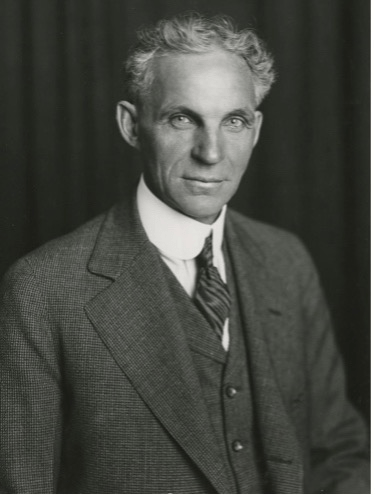
Humble – An Inspirational Story

Humble – An Inspirational Story

This story was sent to me via a friend. I thought it was so good that I wanted to share it with all of you. I hope your summer was blessed with wonderful memories.

Enjoy!

 When Henry Ford asked for the cheapest hotel in town… people were stunned.
He had just landed in England — already a billionaire, already one of the most recognized names in the world. But instead of luxury, he walked up to the airport information desk and asked, simply:

“Where’s the cheapest place to stay?” The clerk hesitated. Worn coat. Modest bag. Calm voice. Then he realized who was standing in front of him.

Henry Ford. The man whose name was in every newspaper. The face behind an empire.“Sir… aren’t you Mr. Ford?” he asked, still processing.

Ford nodded. “Yes, I am.”

 Still puzzled, the clerk continued: “I know your son always stays in the best hotels, wears the finest suits. But you—you’re asking for the cheapest room, in an old coat that looks older than you…Why?”

 Ford smiled. Just enough to say everything without saying too much. “Because I don’t need more than a place to sleep. Wherever I stay — I’m still Henry Ford And this coat? It belonged to my father. It keeps me warm. That’s enough.”

 He paused. Then added, quietly: “My son is still learning. He still worries what others think. But I’ve learned to stop paying for approval. I didn’t become wealthy by spending — I became wealthy by understanding what matters, and what doesn’t.”

 A quiet lesson wrapped in humility: True wealth isn’t in what you show — it’s in what you know. You are not your coat, your hotel, or your bank account. You are who you are, wherever you go.

On A Personal Note:
I read this story to my family and most especially my grandchildren after a day of wrangling young children. A silence fell across the room as they loved the story but more importantly learned the lesson.

 Blessed are the meek, for they shall inherit the earth (Matthew 5:5).

Refences:
David Attenborough, “Henry Ford’s Humble Approach to Wealth and Success as Summarized by AI,” Facebook (May 8, 2015). https://www.facebook.com/groups/davidattenboroughfanss/permalink/4128920884045721/

 Be strong and courageous. Do not be frightened, and do not be dismayed, for the Lord your God is with you wherever you go (Joshua 1:9).

I’m a Christian nurse who helps people navigate the murky waters of healthcare
References:

Author of Wake UP Call 911: It’s Time to Reduce your Risk for A Heart Attack and Stroke (2015) and Helping the Hurting: Nursing Ministry in the Body of Christ (2022).

You may visit my website for additional information: jenniejohnsonrn.com

All rights reserved 2025, Jennie E. Johnson, RN-BC, PhD

Paperback copies of both books for sale. Email me for details at:  ask@jenniejohnsonrn.com.